


Key Takeaways:
- Legal AI tools improve internal efficiency by automating tasks like research and drafting, but they do not address client communication bottlenecks.
- The key difference in AI agents vs. traditional automation is that agents can autonomously guide workflows, collect information, and move cases forward without constant human input.
- Understanding how AI agents differ from traditional automation tools helps law firms identify gaps in client-facing processes that internal AI systems cannot solve.
- AI tools for legal professionals are evolving from task-based assistance to execution-driven systems, enabling firms to scale operations and improve client experience.
Artificial intelligence is quickly becoming part of everyday legal practice. Law firms now have access to a growing number of platforms that promise to automate research, assist with drafting, and speed up document review.
For many firms, adopting these legal AI tools is a natural first step. They improve internal efficiency and help lawyers and staff work faster. But in practice, some firms have started to notice a gap.
Even after implementing internal AI tools, core operational challenges remain, especially around client communication, information collection, and case progression. Firms like Frontier Law Center have encountered this firsthand, finding that improving internal workflows alone does not solve the most persistent bottlenecks in legal work.
That realization is what has driven interest in a different category of technology: AI agents. Understanding how AI agents differ from traditional automation tools is key for law firms evaluating what comes next.
What Traditional Legal AI Tools Are Designed to Do
Most AI technology currently used in law firms falls into the category of internal productivity software.
These tools assist lawyers and staff with tasks that historically required significant manual effort. Common examples include:
- Legal research assistants who analyze case law or statutes.
- Drafting systems that help generate legal documents.
- Contract analysis platforms that identify clauses and risks.
- Document review systems used in litigation or due diligence.
These types of AI tools for legal professionals are highly effective at making existing workflows faster. They reduce the time spent reviewing documents, summarizing information, or drafting repetitive materials, allowing attorneys to focus on higher-level legal work.
For many firms, this represents meaningful progress.
But these systems share a common characteristic: They operate behind the scenes. They improve how work is done internally, but they do not directly change how the firm interacts with clients.
That distinction becomes more important as firms begin to scale.
Where Traditional Automation Starts to Fall Short
When comparing AI agents vs. traditional automation, the real difference appears in day-to-day operations.
Traditional automation systems are typically rule-based, requiring clear inputs to function. A workflow triggers an action: sending an email reminder, storing information in a system, or generating a document.
These are useful, but they rely heavily on human coordination.
In many firms, that coordination shows up in the same places:
- Following up with clients for missing information.
- Requesting documents multiple times.
- Managing intake conversations manually.
- Keeping cases moving between stages.
This is where firms begin to encounter friction. The legal work may become more efficient, but the flow of communication and information — the part that connects everything together — still depends on manual effort.
How AI Agents Change the Model
AI agents introduce a different approach.
Instead of waiting for inputs or triggers, an AI agent is designed to carry out defined objectives autonomously. It can guide conversations, gather information, and move processes forward while staying within structured boundaries set by the firm.
This shift is what separates AI agents vs. traditional AI.
Rather than simply assisting with tasks, the system helps complete them. For example, an AI agent can:
- Conduct an intake conversation with a prospective client.
- Collect structured case information.
- Request supporting documents or evidence.
- Follow up if information is missing.
- Escalate more complex questions to staff when needed.
These are tasks that traditionally require significant staff coordination. By handling them directly, the system reduces the need for constant back-and-forth while ensuring that workflows continue to progress.
Internal AI vs. Client-Facing AI
One of the clearest ways to understand how AI agents differ from traditional automation tools is to look at where they operate.
Internal AI systems support the work performed inside the firm. They make lawyers more efficient, but they do not fundamentally change the client experience.
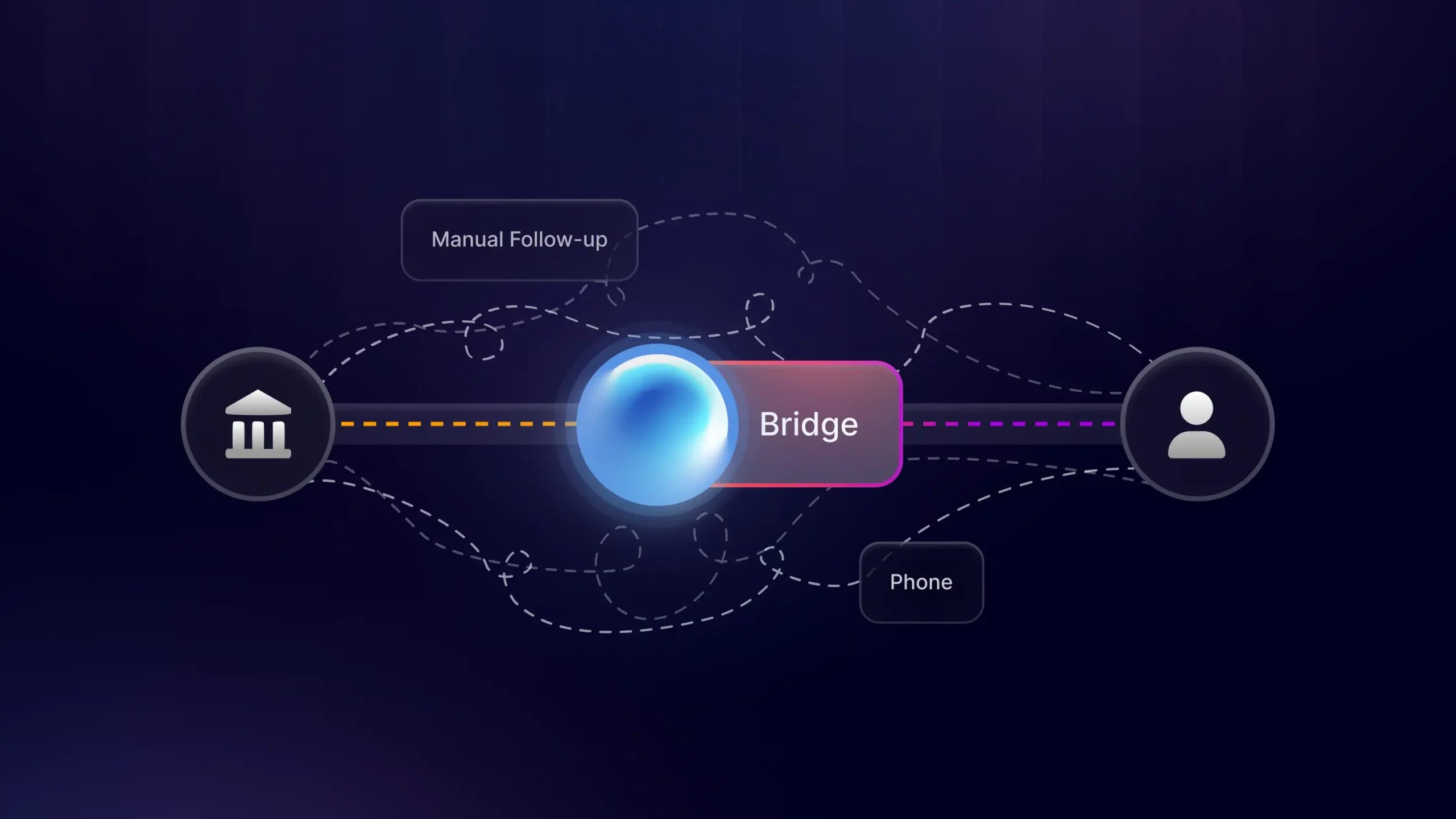
AI agents introduce a new layer: client-facing automation. This focuses on the communication side of legal operations, an area where many firms still lean heavily on manual processes.
For firms like Frontier, this distinction was critical. Improving internal productivity did not address the delays, follow-ups, and inefficiencies tied to client communication. For those challenges, the firm needed a system capable of operating directly within client interactions.
This is where AI agents begin to fill a gap that traditional legal AI tools were never designed to address.
Why This Difference Matters for Law Firms
The difference between legal AI systems and AI agents may seem subtle at first, but it has meaningful implications for how law firms operate.
Communication is one of the most time-sensitive and resource-intensive parts of legal work. Prospective clients expect quick responses. Existing clients need updates, reminders, and guidance throughout their cases. Staff members spend significant time managing these interactions.
AI agents allow firms to automate parts of this communication layer while maintaining structure and consistency.
When implemented thoughtfully, this approach can help firms:
Respond Faster to New Inquiries
Prospective clients receive immediate engagement rather than waiting for a call back or email response.
Improve Intake Efficiency
Structured conversations gather the information needed to evaluate a case without repeated follow-ups.
Maintain Ongoing Client Communication
Status updates, reminders, and document requests can be handled consistently.
Reduce Administrative Workload
Staff can spend less time managing routine communication tasks and more time focusing on legal work.
A Shift From Assistance to Execution
Legal AI tools have already made a meaningful impact by helping lawyers work more efficiently. But as firms continue to adopt these technologies, a new pattern is emerging.
Internal tools improve how work gets done. AI agents improve how work moves. For firms looking to scale, that distinction matters.
The next phase of AI adoption focuses on removing the friction that slows legal work down in the first place.
That is why firms like Frontier are looking beyond traditional legal AI tools and toward systems like Trailmate that can operate directly within the flow of client communication.

